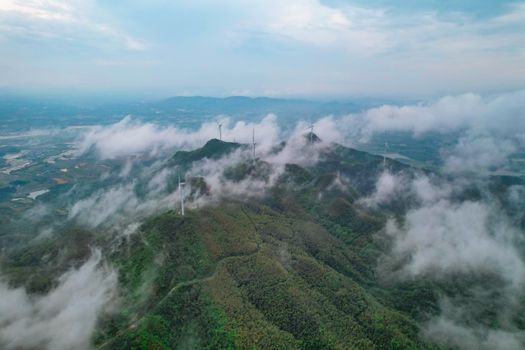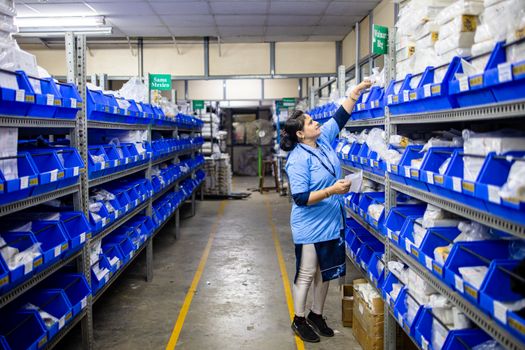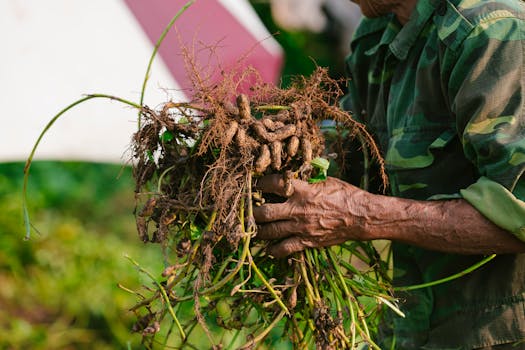
In a world where the population is expected to reach nearly 10 billion by 2050, the question of how to feed everyone safely and sustainably has never been more urgent. According to the United Nations Food and Agriculture Organization, more than 735 million people faced chronic hunger in 2023. Global food shortages are not just a consequence of insufficient production; they are the result of a complex web of issues including climate change, inefficient distribution, food waste, and unpredictable market dynamics. Into this challenge steps Artificial Intelligence (AI), offering a suite of innovative solutions that promise to revolutionize how we grow, distribute, and consume food. From predicting weather patterns to optimizing supply chains and reducing waste, AI is already demonstrating its potential to address some of the most pressing problems in global food security.
How AI is Transforming Agricultural Productivity
Traditional farming methods have struggled to keep pace with the demands of a growing population and environmental changes. AI-powered technologies are now providing farmers with powerful tools to maximize yields and minimize resource wastage. For example, AI-driven precision agriculture uses satellite imagery, IoT sensors, and machine learning algorithms to monitor crop health, soil conditions, and weather forecasts in real time.
One notable example is John Deere’s See & Spray machine, which uses computer vision and machine learning to identify weeds and selectively apply herbicides, cutting chemical usage by up to 90%. AI platforms like IBM’s Watson Decision Platform for Agriculture analyze vast amounts of data to provide farmers with actionable insights, from the best times to plant and irrigate to early warnings about pest infestations.
.png)
A 2022 report by MarketsandMarkets estimates the global AI in agriculture market will reach $4.0 billion by 2026, growing at a CAGR of 25.5%. This rapid adoption underlines AI’s transformative capacity in boosting crop yields and making food production more resilient to climate shocks.
AI in Food Distribution: Streamlining the Supply Chain
Getting food from farm to table is a complex process susceptible to bottlenecks and inefficiencies. According to the World Economic Forum, nearly one-third of all food produced globally—about 1.3 billion tons per year—is lost or wasted, much of it during distribution. AI is helping to address this by optimizing supply chain logistics, predicting demand, and reducing spoilage.
Retailers and distributors are using AI-powered forecasting tools to better predict consumer demand, ensuring that the right amount of food is delivered to the right place at the right time. Walmart, for example, employs machine learning algorithms to forecast demand for fresh produce, reducing spoilage and ensuring shelves are stocked efficiently.
AI is also facilitating real-time tracking of shipments, identifying where delays or losses are occurring, and suggesting alternatives. Machine learning models can analyze historical and real-time data to adjust routes dynamically, minimizing transportation times and costs. This not only reduces waste but also lowers greenhouse gas emissions associated with food transport.
Reducing Food Waste with Smart AI Solutions
Food waste is a massive, often overlooked contributor to global food shortages. The United Nations Environment Programme estimated that in 2021, consumers and retailers wasted 931 million tons of food—nearly 17% of total global food production. AI is now being used to tackle this challenge from multiple angles.
In the retail and hospitality sectors, AI-driven inventory management systems help predict optimal stock levels, reducing over-ordering and spoilage. Apps like Too Good To Go and Winnow use AI to connect consumers with surplus food or provide restaurants with analytics on food waste patterns, enabling them to adjust purchasing and preparation practices.
At the consumer level, smart refrigerators and kitchen assistants powered by AI can track expiration dates and suggest recipes based on what's about to go bad, encouraging timely consumption. These technologies are already making a measurable difference. Winnow claims its AI-powered waste tracking system has helped commercial kitchens save over $42 million and prevent 36 million meals from being wasted since its launch.
Enhancing Food Security through AI-Driven Crop Breeding
Another major frontier for AI in combating food shortages is crop breeding. Traditional breeding methods can take years, even decades, to develop new varieties that are more resilient to pests, disease, and changing climates. AI accelerates this process by analyzing large genetic datasets and predicting which traits will produce the most robust crops.
For instance, researchers at the International Maize and Wheat Improvement Center (CIMMYT) use AI models to analyze millions of genetic markers, identifying those associated with drought tolerance or disease resistance. This allows breeders to develop new crop varieties much faster than before.
The integration of AI in genomics and phenotyping has led to the release of improved crop varieties in as little as 3-5 years, compared to the traditional 7-10 years. The impact is profound: drought-tolerant maize varieties, developed with the aid of AI, have increased yields by 20-30% in several African countries, directly boosting food security for millions.
Comparing Traditional vs. AI-Enhanced Food Systems
To fully appreciate AI’s role, it’s helpful to compare traditional food systems with those enhanced by AI technologies. The table below highlights key differences:
| Aspect | Traditional Food Systems | AI-Enhanced Food Systems |
|---|---|---|
| Crop Monitoring | Manual inspection, low frequency | Real-time, sensor and satellite-based monitoring |
| Yield Prediction | Experience-based, less accurate | Data-driven, high accuracy using machine learning |
| Supply Chain Management | Reactive, prone to delays and waste | Proactive, predictive logistics and inventory optimization |
| Crop Breeding Speed | 7-10 years for new varieties | 3-5 years with AI-guided genomics |
| Food Waste Reduction | Minimal, mostly post-consumer focus | End-to-end, from production to consumption |
Challenges and Ethical Considerations of AI in Food Security
While AI’s potential is enormous, its application in the food sector is not without challenges. Access to advanced AI technology is uneven, with smallholder farmers in developing countries often lacking the infrastructure or capital to use these tools. There is also a risk of exacerbating existing inequalities if only large agribusinesses benefit from AI advancements.
Data privacy is another concern, as the widespread use of sensors and data collection in agriculture raises questions about who owns and benefits from farm data. Ensuring transparency and inclusivity in AI deployment is critical for building trust and maximizing its benefits for all stakeholders.
Ethical considerations also extend to the environmental impact of AI, as large-scale data centers consume significant energy. However, proponents argue that the overall efficiency gains and waste reductions enabled by AI can offset these costs, especially if renewable energy sources are used.
The Future of AI in Tackling Global Food Shortages
The integration of AI into the global food system is still in its early stages, but the results so far are promising. As algorithms become more sophisticated and accessible, and as more stakeholders embrace data-driven agriculture, the potential for AI to help end hunger grows.
By 2030, experts predict that AI could help increase global crop yields by 30%, reduce food waste by up to 50%, and significantly lower the environmental footprint of food production and distribution. The key to realizing this potential will be collaboration—between governments, technology providers, farmers, and consumers—to ensure that AI solutions are inclusive, ethical, and sustainable.
Ultimately, AI is not a silver bullet, but it is a powerful tool in the fight against hunger. With targeted investment and thoughtful implementation, it could play a defining role in creating a food-secure future for all.