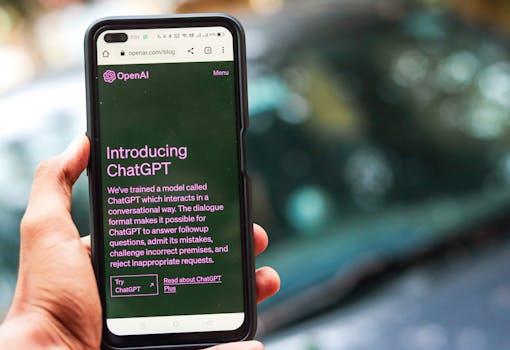
In today’s hypercompetitive digital landscape, marketers face the formidable challenge of capturing attention and fostering genuine connections with customers. The era of generic, one-size-fits-all campaigns is rapidly fading. Instead, the future belongs to personalized marketing—tailored experiences that speak directly to individual needs, preferences, and behaviors. Artificial intelligence (AI) has emerged as the driving force behind this revolution, empowering brands to deliver highly relevant messages at scale. This article explores how AI is transforming personalized marketing strategies, the technologies making it possible, and actionable ways businesses can effectively reach and engage their customers.
The Rise of AI in Personalized Marketing
Personalization is not new, but AI has elevated it to unprecedented levels. In 2024, over 80% of companies reported using some form of AI for marketing personalization, according to Salesforce’s State of Marketing report. AI’s strength lies in its ability to collect, process, and analyze massive datasets in real time, uncovering actionable insights that would be impossible for humans alone.
Consider Netflix’s recommendation engine: Powered by AI, it analyzes viewing history, preferences, and trending shows to suggest content that keeps users engaged. In fact, 80% of what people watch on Netflix comes from its AI-driven suggestions. This level of personalization, once reserved for tech giants, is now accessible to businesses of all sizes, thanks to advances in AI tools and platforms.
.png)
AI-driven personalization is not just about serving up product recommendations. It encompasses dynamic website content, individualized email campaigns, predictive customer journeys, and even personalized pricing. The result? Higher engagement, stronger customer loyalty, and increased revenue.
Key Technologies Powering AI-Based Personalization
AI-driven personalized marketing relies on a suite of interconnected technologies, each playing a crucial role in understanding and reaching customers more effectively.
1. Machine Learning Algorithms: These systems learn from customer interactions—clicks, purchases, browsing behavior—to predict what products or content will resonate. For example, Amazon’s machine learning models analyze over 150 million customer data points to power its recommendation engine. 2. Natural Language Processing (NLP): NLP enables AI to understand and generate human language, powering chatbots, sentiment analysis, and personalized messaging. For instance, chatbots can now handle up to 80% of routine customer queries, offering personalized responses at any hour. 3. Customer Data Platforms (CDPs): These platforms unify data from multiple sources—websites, apps, CRM systems—creating a centralized customer profile. AI uses this 360-degree view to tailor marketing across every touchpoint. 4. Predictive Analytics: By analyzing patterns in historical data, predictive analytics forecasts future behavior. Brands can anticipate which customers are likely to churn, which products will trend, or when to send a tailored offer. 5. Dynamic Content Delivery: AI-powered platforms can modify website banners, emails, and ads in real time based on customer data. In one Adobe study, companies using dynamic personalization saw a 20% increase in sales conversions compared to static content.How AI Customizes the Customer Journey
One of AI’s greatest strengths is its ability to orchestrate a seamless, personalized customer journey across multiple channels. Here’s how AI enhances each stage:
- Awareness: AI analyzes demographics, online behaviors, and interests to segment audiences and target ads. For example, Spotify’s AI-driven campaigns target users with personalized playlists and ads based on listening habits. - Consideration: As customers research options, AI tools serve up tailored product recommendations, content, and reviews. Sephora’s AI chatbot, for instance, guides shoppers to the right beauty products by analyzing their preferences. - Purchase: AI dynamically adjusts pricing, offers personalized discounts, and predicts the optimal time to nudge customers towards purchase. An Accenture study found that 91% of consumers are more likely to shop with brands that recognize, remember, and provide relevant offers. - Post-Purchase & Loyalty: AI-driven emails and notifications suggest complementary products, offer loyalty rewards, and solicit reviews. Starbucks uses AI to send individualized offers based on purchase history, resulting in a 3x higher response rate.Real-World Success Stories: AI-Powered Personalization in Action
Businesses across industries are reaping the rewards of AI-powered personalized marketing. Here are three diverse examples:
1. Stitch Fix: This online personal styling service uses AI to analyze customer style profiles, preferences, and feedback. Machine learning algorithms select clothing items for each customer, while human stylists provide the finishing touch. Stitch Fix’s data-driven approach has helped it grow to over 3.5 million active clients. 2. Coca-Cola: The beverage giant uses AI to personalize digital ads and product offerings. For its “Share a Coke” campaign, Coca-Cola leveraged AI to analyze social media trends and select the most popular names and phrases for bottle labels, resulting in a 7% increase in U.S. sales. 3. Hilton Hotels: Hilton’s AI-powered chatbot, “Connie,” answers guest questions, provides personalized recommendations, and streamlines bookings. This enhances the guest experience and drives higher satisfaction scores.Comparing Traditional vs. AI-Driven Personalized Marketing
To highlight the dramatic difference AI makes, consider the following comparison:
| Aspect | Traditional Personalization | AI-Driven Personalization |
|---|---|---|
| Data Processing Speed | Manual, slow, limited to small datasets | Real-time, processes millions of data points per second |
| Segmentation | Broad groups (e.g., age, gender) | Micro-segments based on behavior, intent, context |
| Content Customization | Static, one-size-fits-all | Dynamic, tailored to individual preferences |
| Scalability | Resource-intensive, not scalable | Automated, scales effortlessly |
| Predictive Capabilities | Limited or none | Advanced, anticipates needs and actions |
| Conversion Rates | Lower (average email open rate ~18%) | Higher (personalized emails see 29% higher open rates) |
Challenges and Ethical Considerations in AI-Powered Personalization
While AI offers enormous potential, it also presents unique challenges that marketers must address to build trust and remain compliant with regulations.
- Data Privacy: With AI relying on vast amounts of personal data, ensuring compliance with laws like GDPR and CCPA is paramount. Transparency in data collection and usage builds trust—according to a Cisco survey, 84% of consumers want more control over how their data is used. - Bias and Fairness: AI models can inadvertently reinforce existing biases if fed unbalanced data. Continuous monitoring and diverse training datasets are essential for fairness. - Customer Perception: Over-personalization can feel invasive. Striking the right balance between helpful and “creepy” is crucial. According to an Accenture study, 41% of consumers switched companies due to poor personalization or lack of trust. - Integration Complexity: Implementing AI-powered personalization requires seamless integration with existing marketing technologies. Investing in skilled talent and robust platforms is key.Best Practices for Implementing AI in Personalized Marketing Strategy
For businesses looking to harness AI for personalized marketing, the following best practices can ensure effective and ethical implementation:
1. Start with Clear Objectives: Define what you want to achieve—higher engagement, increased sales, reduced churn—and choose AI tools aligned with those goals. 2. Invest in Quality Data: Clean, unified data is the foundation of effective AI personalization. Use Customer Data Platforms (CDPs) to centralize and standardize data from all sources. 3. Test and Optimize Continuously: AI models improve with feedback. Run A/B tests, monitor results, and refine strategies regularly. 4. Prioritize Transparency: Clearly communicate how customer data is collected and used. Offer easy opt-out options to build trust. 5. Combine AI with Human Insight: While AI can automate and scale personalization, human creativity and empathy are irreplaceable. Use AI to inform, not replace, your marketing team’s expertise.Final Thoughts: The Future of AI in Personalized Marketing
AI has fundamentally reshaped the landscape of personalized marketing, enabling brands to reach customers more effectively and meaningfully than ever before. As AI technologies evolve, marketing will become even more predictive, contextual, and customer-centric. Businesses that embrace AI-driven personalization will not only boost engagement and loyalty but also gain a sustainable competitive edge.
However, success depends on more than just technology. Ethical data practices, transparency, and a relentless focus on customer value will separate the leaders from the rest. By blending the power of AI with genuine human understanding, brands can create personalized experiences that delight customers and drive growth well into the future.