The Impact of AI on Sustainability and Ecological Innovations in Industry
Artificial intelligence (AI) is no longer a distant dream of the future—it is rapidly transforming the way businesses operate, especially when it comes to sustainability and ecological innovation. Across industries ranging from manufacturing to energy, AI is being harnessed to reduce environmental impact, optimize resources, and unlock new opportunities for sustainable growth. As companies worldwide face mounting pressure to curb emissions and minimize waste, AI-driven solutions are emerging as powerful allies in the quest for a greener, more resilient industrial future.
This article explores how AI is reshaping industrial sustainability, highlights real-world applications, and provides a data-driven look at the benefits and challenges. Whether you are a business owner, an environmental advocate, or simply curious about technology’s role in ecology, understanding this intersection is crucial for envisioning the industries of tomorrow.
AI-Driven Resource Optimization in Manufacturing
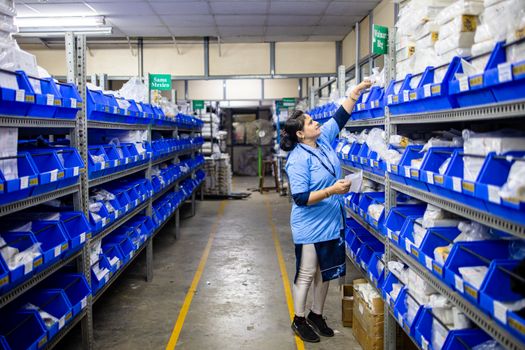
The manufacturing sector is historically one of the largest consumers of energy and raw materials, and a major source of waste and pollution. However, AI is turning the tide by enabling unprecedented levels of efficiency and resource management. Through advanced data analytics and machine learning, factories can now monitor equipment, predict maintenance needs, and optimize supply chains in real-time.
.png)
A study by McKinsey & Company found that AI-powered predictive maintenance can reduce machine downtime by up to 50% and lower maintenance costs by 10-40%. This not only saves money but also extends the lifespan of machinery, reducing the need for new resources and minimizing industrial waste.
Furthermore, AI can analyze production data to identify inefficiencies. For example, Siemens’ AI-based MindSphere platform has helped manufacturers cut energy consumption by up to 20% by dynamically adjusting production schedules and equipment usage. These improvements directly translate to lower carbon footprints and less environmental strain.
Reducing Industrial Carbon Emissions with AI
Industrial activities account for roughly 23% of global greenhouse gas emissions, according to the International Energy Agency (IEA). AI is now a critical tool in the mission to cut these emissions.
AI systems can model and simulate different production scenarios, allowing companies to choose the lowest-emission options. For instance, Google’s DeepMind AI reduced the energy required to cool Google data centers by 40%, a change that has been lauded as a major step toward carbon neutrality in tech infrastructure. Similarly, BASF, a global chemical company, uses AI to optimize chemical reactions, which has led to a reduction in energy usage and CO2 emissions.
Beyond the factory floor, AI is also used to monitor supply chain emissions. By integrating AI-powered sensors and analytics, companies can track the carbon output of their suppliers, transportation, and logistics in real time. This holistic view enables more sustainable decisions, such as choosing greener suppliers or optimizing shipping routes to minimize fuel use.
Innovative Waste Management and Circular Economy Solutions
Waste is a persistent challenge in industrial settings, but AI is making headway in creating smarter, circular systems. Traditional recycling relies on manual sorting and quality checks, which are time-consuming and often inefficient. AI-powered robots and computer vision systems are revolutionizing recycling plants, capable of identifying and sorting materials with up to 95% accuracy, according to a 2023 report by the Ellen MacArthur Foundation.
For example, AMP Robotics, a startup specializing in AI-driven recycling technology, has deployed robotic systems that process up to 80 items per minute—more than twice the rate of human workers. These robots not only improve recycling rates but also help manufacturers reclaim high-value materials for reuse, supporting the circular economy.
Moreover, AI algorithms can predict waste generation patterns, helping industries design products for easier disassembly and recycling. This shift from linear to circular production models minimizes landfill waste, conserves resources, and reduces environmental pollution.
AI and Sustainable Energy Integration in Industry
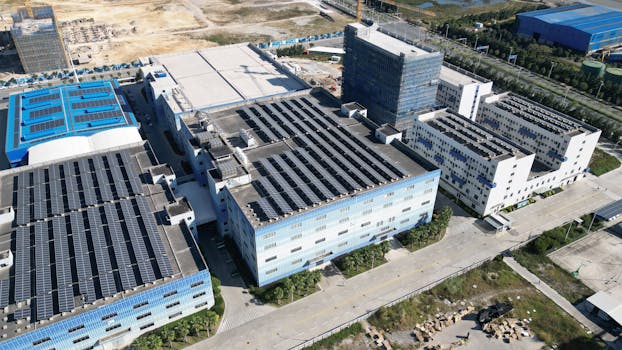
The transition to renewable energy is a cornerstone of sustainable industry, but integrating variable sources like solar and wind presents operational challenges. AI is critical in managing these complexities.
AI algorithms forecast energy supply and demand with remarkable accuracy, enabling companies to balance their use of renewables and grid power. For example, GE Renewable Energy uses AI to optimize wind turbine performance, increasing energy output by up to 20% per turbine. Similarly, industrial giants like Dow and Unilever employ AI-driven energy management platforms to dynamically adjust operations based on real-time energy prices and availability.
Additionally, AI supports the rise of microgrids—localized energy systems that incorporate renewables, battery storage, and traditional power. By predicting usage patterns and adjusting loads, AI ensures these grids operate efficiently and sustainably, reducing reliance on fossil fuels.
Comparing Traditional vs. AI-Enabled Sustainability Practices
To illustrate the transformative impact of AI, consider the following comparison of key sustainability metrics in traditional versus AI-enabled industrial settings:
| Metric | Traditional Approach | AI-Enabled Approach | Improvement (%) |
|---|---|---|---|
| Machine Downtime | 8-12% | 4-6% | Up to 50% reduction |
| Energy Consumption | 100% | 80-90% | 10-20% reduction |
| Recycling Accuracy | 70-80% | 90-95% | 15-25% improvement |
| Resource Utilization | Reactive | Predictive & Optimized | N/A |
| Carbon Emissions | Baseline | Up to 40% reduction in specific cases | N/A |
These improvements demonstrate why more industries are investing heavily in AI for sustainability. According to PwC, AI applications could help reduce global greenhouse gas emissions by up to 4% by 2030—the equivalent of 2.4 gigatons of CO2.
Challenges and Future Directions for AI in Ecological Innovation
While the benefits are compelling, deploying AI for sustainability is not without challenges. One major concern is data privacy and security, as AI systems rely on massive amounts of sensitive operational data. Ensuring robust cybersecurity is essential to protect industrial assets.
Furthermore, the environmental impact of AI itself—such as the energy used for training large machine learning models—must be considered. Researchers at the University of Massachusetts Amherst estimated that training a single large AI model can emit as much CO2 as five cars in their lifetimes. To address this, companies are exploring energy-efficient AI architectures and leveraging renewable energy for data centers.
Another challenge is the need for skilled professionals who can bridge the gap between AI technology and industrial sustainability. As demand for such expertise grows, educational and training programs must adapt accordingly.
Looking ahead, the integration of AI with other emerging technologies—such as the Internet of Things (IoT), blockchain, and next-generation materials—will likely accelerate even more radical ecological innovations. For instance, combining AI and IoT could enable self-optimizing “smart factories” that continuously improve their environmental performance without human intervention.
Final Thoughts on AI’s Role in Sustainable Industry
The impact of AI on sustainability and ecological innovations in industry is profound and growing. From optimizing resource use and cutting emissions to revolutionizing waste management and integrating renewables, AI is a catalyst for more sustainable industrial practices. While challenges remain, the ongoing evolution of AI technologies promises to unlock even greater potential for ecological stewardship across sectors.
The future of industry is not just smarter—it’s greener. By embracing AI-driven sustainability, companies position themselves at the forefront of innovation, resilience, and responsibility in an increasingly eco-conscious world.