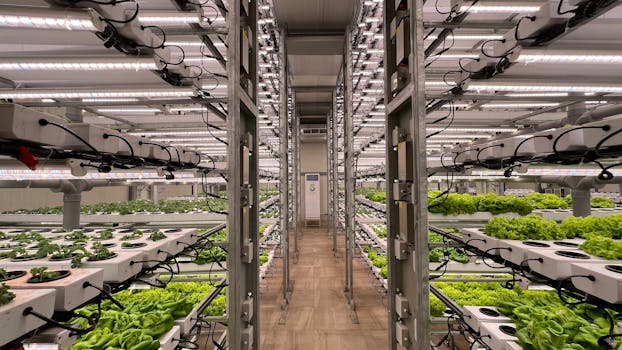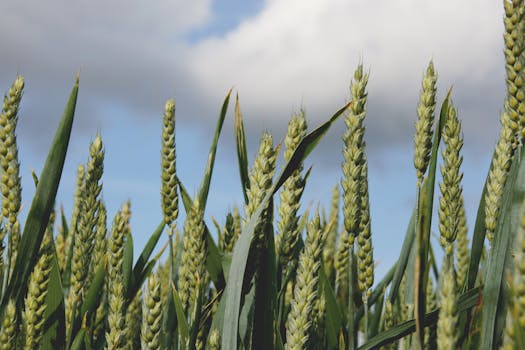
The integration of artificial intelligence (AI) in agriculture marks a significant shift towards more efficient, sustainable, and productive farming practices. As AI technologies become increasingly sophisticated, they offer solutions to numerous challenges faced by the agricultural sector, including those related to climate variability, pest control, and crop management. This article delves into the ways AI is reshaping agriculture, underscoring its potential to enhance both yields and environmental sustainability.
AI-Driven Crop Monitoring and Management
AI-powered technologies are revolutionizing crop monitoring and management. Through the use of satellite imagery, drone data, and ground sensors, these systems gather extensive data on crop health and soil conditions. Advanced algorithms analyze this data to detect issues such as diseases, pests, and nutrient deficiencies. Armed with this information, farmers can make precise decisions about resource allocation, watering, and fertilization, which are crucial for optimizing crop health and yield.
.png)
Precision Farming
Precision farming stands out as a key beneficiary of AI advancements. This method employs AI algorithms to process data from various sources, including weather reports, soil condition sensors, and crop health monitors. The insights gained from this data guide critical agricultural decisions, from seeding to harvesting. Precision farming enables the targeted application of water, fertilizers, and pesticides, reducing waste and enhancing crop performance. This approach not only bolsters efficiency but also contributes to a smaller environmental footprint of agricultural activities.
Predictive Analytics for Crop Yield Prediction
Predictive analytics is another area where AI is making a significant impact. AI models utilize historical data on weather conditions, crop performance, and farming techniques to forecast future crop yields with impressive accuracy. These predictions help farmers improve planning, manage risks more effectively, and maintain consistent production levels. Additionally, predictive analytics supports better supply chain management by aligning crop supply with market demand.
Automated Machinery and Robotics
AI also facilitates the use of automated machinery and robotics in farming operations. Autonomous tractors, drones, and robotic harvesters perform tasks such as planting, weeding, and harvesting more efficiently and accurately than human laborers. This automation not only speeds up farming processes but also reduces the labor costs and physical strain associated with traditional farming. By automating routine tasks, farmers can allocate more time to strategic aspects of farm management.
Challenges and Considerations
While AI in agriculture offers numerous benefits, it also presents several challenges. The initial cost of AI technology can be prohibitive, particularly for small-scale farmers who may require financial support or subsidies to adopt these advanced tools. Additionally, there is a significant need for training programs to equip farmers with the necessary skills to effectively utilize AI technologies.
The Future of AI in Agriculture
The future of AI in agriculture looks promising. Ongoing advancements in AI are expected to further enhance its efficiency and affordability, making these technologies more accessible to farmers globally, including those in developing regions. Moreover, AI is poised to play a vital role in promoting sustainable agriculture by enabling more precise and efficient resource use, which is crucial as the global population grows and the demand for food increases.
In summary, AI is set to revolutionize agriculture by improving crop yields, reducing environmental impacts, and increasing efficiency. As the agricultural sector continues to embrace AI, the future of farming looks increasingly sustainable and productive, poised to meet the growing global food demands efficiently.