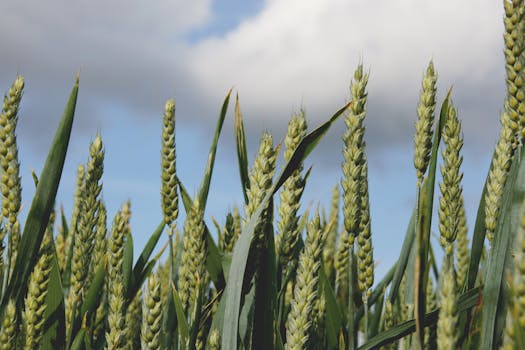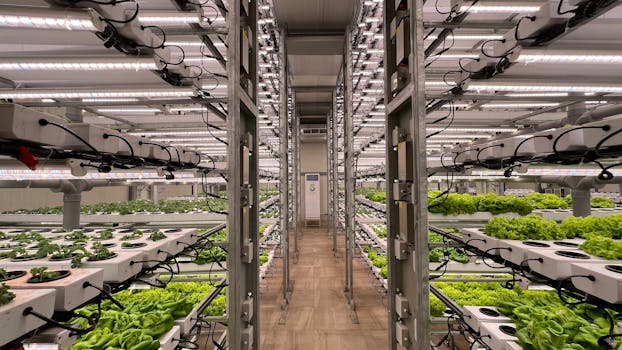
Artificial Intelligence (AI) is revolutionizing the agricultural industry, introducing cutting-edge solutions that enhance efficiency, sustainability, and productivity. The integration of AI into farming practices is transforming traditional approaches, enabling farmers to navigate the complexities of modern agriculture with greater ease.
AI-Enhanced Precision Farming
One of the standout applications of AI in agriculture is precision farming. This method leverages AI to interpret data from diverse sources like satellite imagery, weather reports, and soil condition sensors. This data integration allows AI systems to provide precise recommendations tailored to the specific needs of each crop. For instance, AI can determine the best planting schedules, optimize fertilizer usage, and predict potential pest and disease risks. This targeted approach not only boosts crop yields but also conserves resources and reduces chemical usage.
.png)
Robotic Automation in Agriculture
AI-driven robots are revolutionizing farm labor. These machines handle tasks ranging from seeding and weeding to harvesting. Operating with precision and endurance, agricultural robots enhance productivity and consistency. Their deployment can significantly reduce the labor shortage burden in rural areas, providing a sustainable solution to one of agriculture's pressing challenges.
Livestock Management Through AI
In livestock farming, AI is improving the management and care of animals. AI systems equipped with machine learning analyze data from sensors monitoring animal health and behavior. Early detection of health issues and stress ensures prompt treatment, reducing disease spread and enhancing herd health. This proactive approach not only safeguards animal welfare but also boosts farm productivity.
Sustainable Farming with AI
Sustainability is another crucial benefit of AI in agriculture. AI applications help optimize the use of water, fertilizers, and energy, leading to more sustainable farming practices. For example, AI algorithms can refine irrigation systems to minimize water use and avoid wastage, contributing to better resource management and environmental conservation.
Challenges and Considerations
Despite its advantages, AI's adoption in agriculture comes with challenges. The cost of AI technology may be prohibitive for small-scale farmers, potentially widening the gap between large and small operations. Moreover, there is a significant need for training programs to help farmers effectively utilize these advanced technologies.
Data privacy and security also emerge as critical issues as farms become increasingly digitized. Protecting sensitive agricultural data against cyber threats is essential to maintain trust and integrity in AI systems.
The Road Ahead
The future of agriculture lies in embracing AI technologies. Overcoming initial hurdles such as cost and data security concerns will be key to unlocking the full potential of AI in farming. With continued advancements and increased accessibility, AI is poised to lead a major transformation in the agricultural sector, making it more resilient, efficient, and sustainable.
Embracing AI in agriculture not only promises to improve the quality and quantity of food production but also represents a significant step toward more environmentally friendly and economically viable farming practices. As we move forward, the role of AI in agriculture will undoubtedly expand, leading to more innovative solutions and a transformed farming landscape.