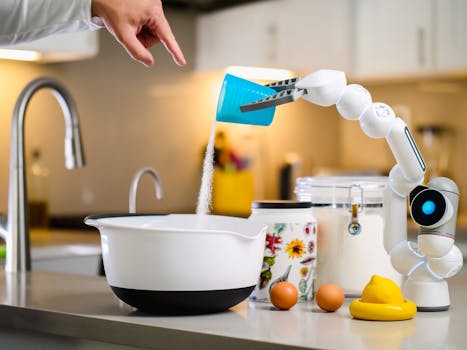
AI: Enhancing Your Culinary Skills for the Digital Age
The kitchen has always been a place of creativity, experimentation, and learning. But with the rapid advancement of artificial intelligence (AI), home cooks and culinary enthusiasts now have a powerful new sous-chef at their fingertips. AI is not just a tool for professional chefs—it’s transforming the way everyday people plan meals, master new techniques, and explore global cuisines. Whether you are a beginner eager to learn the basics or a seasoned foodie looking to refine your craft, AI can be your guide to a smarter, more enjoyable cooking experience.
In this article, we’ll explore the innovative ways AI is enhancing culinary skills, from personalized recipe generation to smart kitchen gadgets and beyond. We’ll also look at how AI is making cooking more accessible, efficient, and enjoyable for everyone. Get ready to discover how the digital age is revolutionizing home cooking.
How AI-Powered Recipe Platforms Personalize Your Cooking
Gone are the days of sifting through countless cookbooks or scrolling endlessly online to find the perfect recipe. AI-powered recipe platforms like Whisk, Cookpad, and Chef Watson are taking meal planning to the next level. These platforms use machine learning algorithms to analyze your preferences, dietary restrictions, and even the ingredients you already have at home.
.png)
For example, Whisk’s AI can suggest recipes tailored to your calorie goals, allergies, and taste preferences. According to a 2023 survey by Statista, over 61% of users said that personalized recipe recommendations made them more likely to try new dishes at home. AI can also generate shopping lists based on selected recipes, streamlining the entire process from meal planning to grocery shopping.
Chef Watson by IBM has pushed the envelope further by creating unique flavor pairings based on chemical compound analysis. This not only inspires creativity but teaches home cooks about the science of taste. By analyzing thousands of recipes and ingredient combinations, AI can help you discover unexpected and delicious new meals.
AI Kitchen Assistants: Your Virtual Cooking Coach
One of the most exciting developments in the culinary world is the advent of AI kitchen assistants. Devices like Amazon Echo Show, Google Nest Hub, and Samsung Family Hub refrigerators are equipped with AI-powered cooking guides and hands-free support. These devices can walk you through recipes step by step, set timers, convert measurements, and even offer real-time troubleshooting.
For instance, Google Assistant can answer questions like “How do I julienne a carrot?” or “What’s a good substitute for buttermilk?” while you cook. A 2022 report by Juniper Research estimated that 28 million smart kitchen devices with AI features were sold globally, showing how rapidly this technology is being adopted in home kitchens.
These assistants also help reduce cooking errors and boost confidence for less experienced cooks. By providing instant answers and guidance, AI helps bridge the gap between professional knowledge and home cooking—all without flipping through pages or pausing to search online.
Smart Appliances: Precision Cooking Made Easy
Modern kitchen appliances are getting smarter, making it easier than ever to achieve restaurant-quality results at home. AI-driven devices such as the June Oven and the Tovala Smart Oven use built-in cameras and sensors to recognize food items and automatically adjust cooking times and temperatures.
Here’s a comparison of traditional ovens and AI-powered smart ovens:
| Feature | Traditional Oven | AI-Powered Smart Oven |
|---|---|---|
| Temperature Control | Manual | Automatic, based on food recognition |
| Recipe Integration | None | Pre-programmed and downloadable recipes |
| Cooking Monitoring | Requires user supervision | Real-time monitoring and notifications |
| Learning Capability | None | Learns preferences and cooking habits over time |
| Remote Control | No | Yes, via smartphone apps |
Smart appliances are also helping address common cooking challenges. For example, the June Oven can identify over 200 different foods and suggest the optimal cooking method. According to the manufacturer, users report a 70% reduction in under- or over-cooking compared to using traditional ovens. This level of precision is perfect for ambitious home cooks aiming to master techniques such as sous-vide, baking, or roasting with minimal guesswork.
Exploring Global Cuisines with AI Language and Culture Tools
AI isn’t just about convenience and precision—it’s also opening doors to world cuisines. Translation tools powered by AI, like Google Translate and DeepL, now provide accurate ingredient and technique translations, breaking down language barriers that once made international recipes intimidating.
Additionally, AI-driven cooking apps such as SideChef and Tasty are integrating cultural context and video demonstrations, allowing users to explore authentic recipes from around the globe. These platforms often include voice-guided instructions and background information about the dish’s origin, helping you not only cook but also appreciate the story behind each meal.
In a 2023 study by the Culinary Institute of America, 44% of respondents said they felt more confident trying international recipes when guided by AI-powered instructions and cultural notes. This demonstrates how AI is not only enhancing skills but also fostering culinary curiosity and global understanding.
Reducing Food Waste and Saving Money with AI Meal Planning
Another practical benefit of AI in the kitchen is its ability to help reduce food waste and save money. AI-powered meal planners like Plant Jammer and BigOven analyze what’s in your fridge or pantry, then suggest recipes to use up those ingredients before they go bad. This efficient approach not only saves money but also helps address the global issue of food waste—estimated at 1.3 billion tons annually, according to the Food and Agriculture Organization (FAO).
AI can also track your shopping habits, recommend portion sizes, and send reminders to use perishable items. Some platforms even connect with local grocery stores to suggest deals or substitutions based on your preferences. As a result, home cooks can make smarter purchasing decisions and use resources more efficiently.
AI for Dietary and Nutrition Support: Cooking for Health
Cooking isn’t just about flavor; it’s also about nourishing your body. AI is making it easier to meet specific nutritional goals, whether you’re managing a health condition, following a diet plan, or simply aiming for balanced meals. Apps like MyFitnessPal, Nutrino, and Yummly use AI to analyze recipes, calculate nutritional content, and suggest healthy swaps.
For example, Yummly’s AI can recommend low-sodium or gluten-free alternatives for your favorite dishes, while Nutrino tailors meal suggestions to individual health data, such as blood sugar levels or food sensitivities. According to the CDC, 60% of adults in the United States have at least one chronic disease, many of which can be managed through diet. AI-driven guidance ensures that cooking at home supports your health goals without sacrificing taste or variety.
The Future of AI in Home Cooking: What’s Next?
The intersection of AI and home cooking is still evolving, with new innovations emerging every year. Future developments may include more advanced food recognition, real-time feedback on cooking techniques, and AI-generated flavor enhancements tailored to your unique palate. Robotics is also entering the kitchen, with prototypes like Moley’s robotic kitchen capable of preparing full meals autonomously.
As AI becomes more intuitive and integrated, we can expect even greater personalization and accessibility. Imagine a kitchen where your smart assistant knows your family’s preferences, schedules, and nutritional needs, automatically planning and preparing meals that delight and nourish. While this future is still on the horizon, the benefits of AI are already making cooking more enjoyable, educational, and inclusive.