As artificial intelligence (AI) continues to integrate into everyday life, its impact on home cleaning is undeniably transformative. The advent of AI-driven technologies in this area is not only redefining the standards of cleanliness but also reshaping our interaction with our living spaces.
Enhanced Cleaning Efficiency
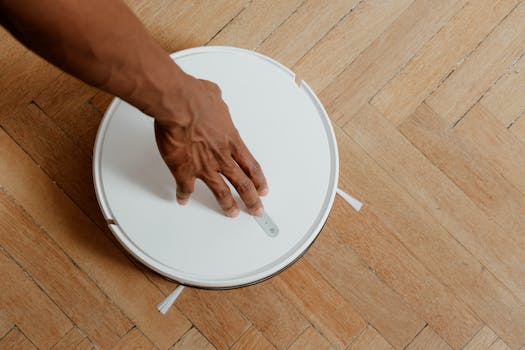
AI-powered devices, such as robotic vacuum cleaners and mops, have revolutionized the way cleaning tasks are approached. These smart devices are equipped with advanced sensors and AI algorithms that allow them to navigate through complex home environments efficiently. They can identify different surface types and optimize their cleaning patterns accordingly, ensuring every corner of the home is thoroughly cleaned with minimal human intervention.
.png)
Smart Scheduling and Maintenance
AI technology in home cleaning goes beyond mere automation of physical tasks. These intelligent systems can also schedule cleaning jobs based on user preferences and historical data, ensuring cleaning happens at the most convenient times. Additionally, some AI-enhanced devices can monitor their performance and maintenance needs, alerting users when it’s time for a filter change or a battery recharge, thereby prolonging the device’s lifespan and maintaining its efficiency.
Customized Cleaning Experiences
The true power of AI in home cleaning lies in its ability to learn and adapt. Over time, these smart devices can learn the layout of your home and identify high-traffic areas that need more frequent cleaning. They can also adjust their cleaning strategies based on seasonal changes or specific events, providing a truly personalized cleaning experience that fits the unique lifestyle of each household.
Integration with Smart Home Ecosystems
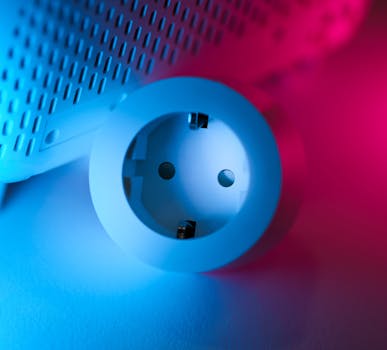
AI-driven cleaning devices can seamlessly integrate with other smart home technologies. For instance, a robotic vacuum can start its cleaning cycle when it detects that no one is home, thanks to integration with smart locks or security systems. This level of synchronization not only enhances cleaning results but also contributes to energy efficiency and overall home management.
Improved Home Health
AI’s role extends into improving the health aspects of home environments. AI-powered air purifiers, for example, continually assess air quality, making real-time adjustments to filter operation based on detected pollution levels. This dynamic response is crucial for households with allergy sufferers or respiratory issues, as it ensures consistently clean air.
Challenges and Considerations
Despite its benefits, the integration of AI in home cleaning is not without challenges. The cost of advanced AI-enabled devices can be prohibitive for many consumers, although prices are expected to decrease as technology advances. Additionally, privacy concerns arise as these devices collect significant amounts of data to operate efficiently. Ensuring robust security measures and transparent data policies is crucial for protecting user privacy.
The Future of AI in Home Cleaning
The potential for future advancements in AI-driven home cleaning technology is vast. We are likely to see even smarter devices with improved decision-making capabilities, greater integration with home systems, and even more personalized cleaning experiences. As AI technology evolves, these devices will become more accessible and capable, further simplifying the task of keeping our homes clean.
In conclusion, AI is significantly enhancing the way we maintain cleanliness in our homes, making it less labor-intensive and more effective. By embracing AI technology, homeowners can not only enjoy a cleaner living environment but also reclaim time once spent on mundane chores. As we look to the future, the continued evolution of AI promises even greater innovations in home cleaning, setting new standards for convenience and efficiency in our daily lives.