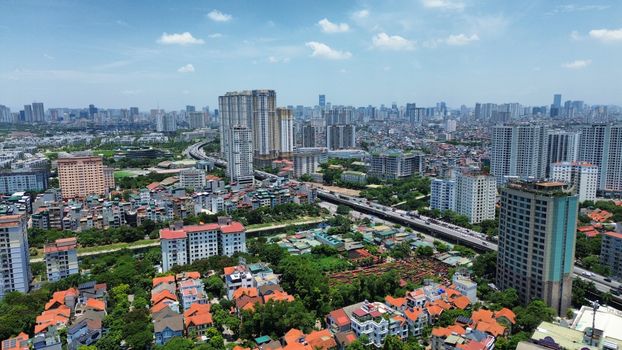
As urban populations soar—forecasted to reach 68% of the global population by 2050 according to the United Nations—cities face mounting pressure to provide efficient services, sustainable infrastructure, and an improved quality of life. Enter the concept of the smart city: a technologically advanced urban area that uses digital solutions to optimize resources and services. At the heart of this transformation lies artificial intelligence (AI), which is rapidly becoming the backbone of smart city development and implementation. But while AI promises a host of opportunities, it also introduces complex challenges that city planners, technologists, and citizens must address.
The Role of AI in Shaping Smart City Infrastructure
AI is not just a buzzword in urban development—it is fundamentally changing how cities are designed, monitored, and managed. Through machine learning, computer vision, and natural language processing, AI powers the collection and analysis of vast amounts of urban data, enabling real-time insights and automating decisions in ways previously unimaginable.
For example, in Singapore, the Smart Nation initiative leverages AI-powered sensors and cameras to monitor traffic flow, predict congestion, and optimize signal timings. This has led to a reported 25% reduction in traffic delays at major intersections. In Barcelona, AI-driven energy management systems in municipal buildings have reduced energy consumption by 20%, saving millions of euros annually.
.png)
AI’s capabilities extend beyond traffic and energy. Waste management in cities like Songdo, South Korea, now relies on AI to optimize garbage collection routes. AI platforms analyze fill levels in waste bins and predict the most efficient collection paths, slashing operational costs and reducing emissions.
Opportunities Unlocked by AI in Smart Cities
The integration of AI into smart city ecosystems offers a multitude of benefits, transforming urban living in the following ways:
1. $1: AI enables predictive analytics for utilities such as water, electricity, and waste. For instance, predictive maintenance algorithms forecast when equipment is likely to fail, reducing downtime and maintenance costs by up to 30% according to McKinsey. 2. $1: AI-powered surveillance systems, like those deployed in London, use facial recognition and anomaly detection to identify suspicious activities, assisting law enforcement in preventing crime and responding to emergencies faster. 3. $1: AI is at the core of smart traffic management and public transport optimization. In Helsinki, AI helps coordinate autonomous buses, improving on-time performance by 10% and reducing operational expenses. 4. $1: AI-driven air quality sensors and weather prediction models help cities like Beijing implement targeted pollution control measures, leading to a 35% reduction in hazardous air days between 2013 and 2020. 5. $1: Chatbots and virtual assistants powered by AI enhance citizen engagement, making it easier to report issues, access services, and receive timely information.Comparing Traditional Cities and AI-Driven Smart Cities
To better understand the impact of AI, it’s helpful to compare traditional urban models with AI-powered smart cities across key performance indicators:
| Aspect | Traditional City | AI-Driven Smart City |
|---|---|---|
| Traffic Management | Manual signal control; fixed schedules | AI-based adaptive signals; real-time traffic prediction |
| Public Safety | Reactive policing; manual monitoring | Predictive policing; AI-powered surveillance |
| Energy Management | Static usage patterns; limited automation | Dynamic optimization; predictive maintenance |
| Waste Management | Fixed collection routes; inefficiencies | AI-optimized collection; route prediction |
| Citizen Services | In-person or phone-based; slow response | AI chatbots; 24/7 digital access |
Challenges and Ethical Dilemmas of AI in Urban Environments
Despite the clear opportunities, AI’s integration into smart cities is not without hurdles. Key challenges include:
1. $1: With AI systems processing vast amounts of personal data—from movement patterns to biometric information—there is a heightened risk of surveillance overreach and data breaches. According to a 2023 survey by the Pew Research Center, 56% of urban residents expressed concerns about government misuse of surveillance data. 2. $1: AI systems are only as unbiased as the data they are trained on. If historical data contains biases, AI can reinforce or even exacerbate inequalities in policing, resource allocation, or access to services. The 2016 ProPublica analysis found that predictive policing algorithms in the U.S. misclassified African-American defendants as high risk at nearly twice the rate of white defendants. 3. $1: Not all citizens benefit equally from AI-driven services. Those without digital literacy or access to smart devices may be left behind, exacerbating social and economic divides. 4. $1: The rapid pace of AI development often outstrips the ability of policymakers to regulate its use. Cities need clear frameworks for transparency, accountability, and citizen consent. 5. $1: Implementing AI infrastructure can be prohibitively expensive for smaller municipalities. According to IDC, global smart city technology spending reached $124 billion in 2020, but many cities lack the resources for large-scale deployment.Case Studies: AI in Action Across Global Smart Cities
Let’s explore how cities worldwide are leveraging AI to create smarter, more livable urban spaces:
- $1: The city’s AI-powered “City Data” platform collects and analyzes information from sensors, social media, and public databases. This system has improved flood prediction accuracy by 15%, helping protect vulnerable areas from climate risks. - $1: Dubai’s “Smart Dubai” initiative uses AI chatbots to answer citizen queries, process payments, and manage municipal services. In 2022, over 3 million requests were handled by AI, reducing wait times by 40%. - $1: Pittsburgh’s Surtrac AI traffic signal system adapts to real-time traffic conditions, cutting travel times by 25% and reducing vehicle emissions by 21% in pilot areas.These examples illustrate that, when deployed thoughtfully, AI can generate tangible benefits for urban residents and city administrators alike.
Building Trust and Ensuring Responsible AI Implementation
For AI to achieve its full potential in smart cities, building public trust and ensuring ethical, responsible implementation is paramount. Municipalities and technology providers can take several steps:
- $1: Clearly communicate how AI systems work, what data is collected, and how it is used. Public “algorithmic registers,” like those piloted in Helsinki and Amsterdam, allow citizens to scrutinize and challenge automated decisions. - $1: Involve residents in the design and evaluation of AI-powered services through surveys, forums, and pilot programs. This fosters a sense of ownership and helps identify potential issues early. - $1: Regularly audit AI systems for bias and equity impacts, and publish findings openly. In New York City, the Automated Decision Systems Task Force conducts regular reviews of city algorithms. - $1: Develop clear guidelines for privacy, accountability, and redress. The European Union’s proposed AI Act, for example, sets strict standards for transparency and prohibits certain high-risk applications. - $1: Invest in digital literacy programs and accessible user interfaces to ensure all residents can benefit from smart city technologies.Future Prospects: The Evolving Relationship Between AI and Urban Life
The synergy between AI and smart cities is only beginning to unfold. As 5G networks, the Internet of Things (IoT), and edge computing mature, AI will become even more pervasive, connecting everything from streetlights to water pipes. Global forecasts suggest that the smart city market will grow to $820.7 billion by 2025, with AI as a central pillar of innovation.
Emerging trends—such as AI-powered urban planning, autonomous delivery robots, and real-time disaster response—promise to further enhance urban life. Yet, the ultimate measure of success will be whether these technologies produce more equitable, resilient, and sustainable cities.