The Impact of AI on Renewable Energy Solutions: Transforming the Future of Clean Power
As the world races toward a sustainable future, renewable energy has emerged as a cornerstone in the fight against climate change. Solar, wind, hydro, and other clean energy sources are rapidly replacing fossil fuels, but integrating these resources into global power grids comes with significant challenges. Enter artificial intelligence (AI): a transformative force that is rapidly reshaping the renewable energy landscape. From optimizing energy production to balancing grids and forecasting demand, AI is maximizing the potential of renewables and accelerating the transition to a greener world.
How AI Enhances Renewable Energy Forecasting
Renewable energy sources like solar and wind are inherently variable—sunlight and wind speeds fluctuate by the hour and season. Accurate forecasting is essential to ensure stable power supply and grid reliability. AI technologies, particularly machine learning, are revolutionizing how energy companies predict these fluctuations.
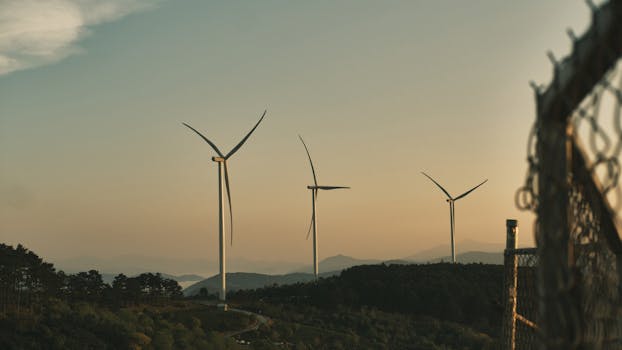
Traditionally, weather forecasts relied on physics-based models and historical data. While useful, they often lacked the precision needed for real-time energy operations. Today, AI algorithms analyze vast streams of meteorological data, satellite imagery, and sensor outputs, learning complex patterns that escape traditional models. For instance, Google DeepMind’s AI-powered wind forecasting in the United States improved the value of wind energy by roughly 20%, thanks to better predictions of wind output up to 36 hours in advance.
.png)
Similarly, companies like IBM and Siemens are deploying AI to forecast solar energy production. IBM’s “Watson” uses cloud movement analysis and historical sunlight data, reducing solar forecasting errors by up to 30%. These improvements help grid operators make better decisions, reduce reliance on backup fossil fuel plants, and lower costs for consumers.
Optimizing Energy Production and Efficiency with AI
AI doesn’t just predict energy output—it actively optimizes the performance of renewable energy assets. Smart algorithms can analyze the performance data of thousands of wind turbines or solar panels, identifying inefficiencies or maintenance needs before they become critical issues.
For example, GE Renewable Energy uses AI-driven predictive maintenance on its wind turbines. By analyzing vibration patterns, temperature changes, and historical failure data, their systems spot potential faults weeks in advance. According to GE, this can reduce unplanned downtime by up to 20% and extend asset lifespan by several years.
Solar farms also benefit from AI-powered monitoring. Algorithms can detect when a panel’s output drops due to dirt, shading, or hardware degradation. In 2023, the National Renewable Energy Laboratory (NREL) reported that AI maintenance systems improved solar farm efficiency by an average of 5-7%. This means more clean power is delivered to the grid, and investments in renewable infrastructure yield higher returns.
Balancing the Grid: AI in Smart Energy Management
Integrating fluctuating renewables into electricity grids poses complex challenges. Power grids must constantly balance supply and demand to avoid blackouts or wasted energy. AI-driven grid management is proving essential in orchestrating this balancing act.
Modern AI systems monitor real-time data from millions of sources: energy producers, storage batteries, consumer usage patterns, and weather conditions. They can automatically dispatch stored energy, ramp up or down production, or reroute electricity to where it’s most needed.
A leading example is the use of AI in the UK’s National Grid, which handles 29.3% of its electricity from renewables as of 2023. Their “ESO Data Portal” leverages AI to predict demand spikes and renewable supply dips. In Texas, AI-powered demand response platforms cut grid stress during extreme weather by shifting energy use across thousands of smart devices and batteries.
This smart orchestration is crucial as more electric vehicles, heat pumps, and distributed solar come online. AI ensures that clean energy is used efficiently, supports grid stability, and reduces reliance on polluting backup generators.
AI-Driven Energy Storage: Making Renewables Reliable 24/7
One of the biggest hurdles for renewable energy is intermittency: solar and wind aren’t always available when demand peaks. Energy storage—particularly batteries—bridges this gap, and AI is making storage smarter, safer, and more cost-effective.
AI algorithms optimize when to charge and discharge batteries, based on energy prices, grid needs, and weather forecasts. Tesla’s Autobidder platform, for instance, autonomously trades stored energy in real-time, maximizing profits for battery owners while supporting grid stability. In 2022, Tesla’s AI-driven battery installations in South Australia responded to grid fluctuations within milliseconds, preventing power outages that previously would have caused blackouts.
AI also enhances battery life by detecting early signs of degradation and optimizing charging cycles. This reduces maintenance costs and ensures that expensive battery installations last longer.
Comparing AI Applications Across Renewable Energy Sectors
The impact of AI varies across different renewable energy sources and applications. The table below summarizes key differences:
| Sector | AI Application | Key Benefit | Notable Example |
|---|---|---|---|
| Wind Energy | Forecasting, Predictive Maintenance | 20% increase in forecast accuracy; 20% reduction in downtime | Google DeepMind (US), GE Renewable Energy |
| Solar Energy | Output Prediction, Asset Monitoring | 30% more accurate forecasts; 5-7% higher efficiency | IBM Watson, NREL |
| Grid Management | Demand Response, Real-Time Balancing | Reduced blackout risk; lower energy costs | UK National Grid, Texas Demand Response |
| Energy Storage | Optimized Dispatch, Battery Health | Longer battery life; instant grid response | Tesla Autobidder, South Australia Grid |
AI and the Future of Decentralized Energy Systems
AI is not just improving large-scale solar and wind farms—it’s also powering the rise of decentralized or “distributed” energy systems. In these systems, homeowners and businesses produce their own energy (via rooftop solar, for example), store it in batteries, and may even sell excess power back to the grid.
AI platforms manage these complex, decentralized networks, ensuring energy flows efficiently between producers, consumers, and storage. For instance, virtual power plants (VPPs) use AI to aggregate thousands of small energy assets—solar roofs, home batteries, smart appliances—into a unified resource. Germany’s sonnenCommunity and Australia’s Powerledger VPP are leading examples, allowing neighborhoods to achieve up to 60% self-sufficiency in renewable power.
As AI manages more granular data and coordinates millions of energy transactions in real time, the vision of a resilient, democratized, and fully renewable energy system becomes increasingly attainable.
Challenges and Ethical Considerations for AI in Renewables
Despite its promise, AI in renewable energy faces several challenges. Data privacy and security are growing concerns, as millions of smart devices generate sensitive consumption and production data. Ensuring robust cybersecurity is critical to prevent malicious attacks on energy infrastructure.
There are also questions about algorithmic transparency and fairness. AI systems must be designed to avoid reinforcing existing inequalities—such as favoring wealthy neighborhoods for grid upgrades or battery subsidies.
Finally, developing and maintaining advanced AI systems requires significant investment and technical expertise, which may be out of reach for smaller utilities or developing countries. As of 2024, only about 15% of energy utilities worldwide have fully integrated AI into their operations, highlighting a gap in global access to these transformative technologies.
Final Thoughts on the Transformative Role of AI in Renewable Energy Solutions
AI is dramatically accelerating the adoption and efficiency of renewable energy worldwide. From boosting the accuracy of wind and solar forecasts by up to 30%, to optimizing grid management and energy storage, AI is turning the challenges of clean power into new opportunities. While hurdles remain—especially regarding data governance and equitable access—the benefits of AI-powered renewables are already clear: lower costs, greater reliability, and a rapidly shrinking carbon footprint.
As AI technologies mature and become more accessible, expect to see even more innovative applications driving us toward a world powered predominantly by clean, renewable energy.