AI: Changing the Face of Transportation
Artificial intelligence (AI) is revolutionizing the transportation sector, transforming how we move goods and people across the globe. This technology is not just enhancing efficiency but is also making transportation safer, more reliable, and environmentally friendly.
The integration of AI in transportation is evident in several areas, from autonomous vehicles and smart traffic management to predictive maintenance and customer service improvements. Each of these applications not only solves existing challenges but also opens up new possibilities for the future of mobility.
.png)
Autonomous Vehicles: The Front Runners of AI in Transportation
One of the most talked-about applications of AI in transportation is in the development of autonomous or self-driving vehicles. These vehicles use AI algorithms to interpret sensory information, make decisions, and navigate roads without human intervention. Companies like Tesla, Waymo, and Uber are at the forefront of this technology, conducting tests and research to improve the safety and efficiency of autonomous vehicles.
The potential benefits of autonomous vehicles are significant. They promise to reduce traffic accidents caused by human error, enhance traffic flow, and lower emissions by optimizing driving patterns. Furthermore, self-driving cars could provide mobility solutions for the elderly and disabled, who might otherwise be unable to drive.
Smart Traffic Management Systems
AI is also being used to create smarter traffic management systems. These systems analyze data from various sources such as cameras, sensors, and GPS devices to manage traffic flow. By processing this data in real-time, AI can help in reducing traffic congestion, minimizing delays, and improving overall road safety.
Cities like Barcelona and Singapore have implemented smart traffic management systems that adjust traffic signals based on real-time traffic conditions. This not only helps in reducing congestion but also contributes to lower pollution levels by minimizing the amount of time vehicles spend idling.
Predictive Maintenance
Another significant application of AI in transportation is predictive maintenance. AI systems can predict when a vehicle or component is likely to fail, based on historical data and real-time input from vehicle sensors. This allows transportation companies to perform maintenance only when necessary, reducing downtime and maintenance costs.
For example, airlines use AI to monitor aircraft engines and predict failures before they occur. This not only ensures the safety of flights but also improves the efficiency of operations by reducing unexpected delays.
Enhancing Customer Experience
AI is also transforming customer service within the transportation sector. Chatbots and virtual assistants, powered by AI, are being used by airlines, train companies, and public transit systems to provide real-time information, book tickets, and answer customer queries. This improves the overall customer experience by providing quick and accurate information.
Moreover, AI-powered tools are being used to personalize the travel experience. For instance, AI algorithms can suggest the best routes and modes of transport based on a user’s past behavior and preferences.
Challenges and Ethical Considerations
Despite the numerous benefits, the integration of AI in transportation also presents several challenges. Issues such as data privacy, cybersecurity, and the potential loss of jobs due to automation are of concern. Additionally, there are ethical considerations related to decision-making in autonomous vehicles, such as how an AI should react in an unavoidable accident scenario.
The Future of Transportation
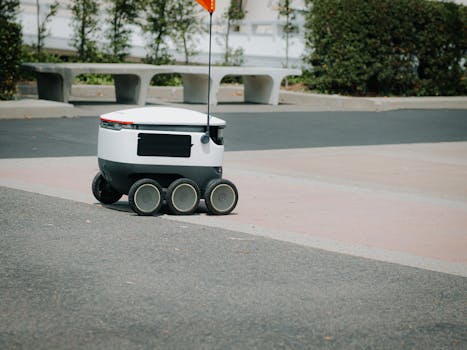
As AI technology continues to evolve, its impact on the transportation sector is expected to grow even further. Innovations like hyperloop and drone-based delivery systems are also on the horizon, promising to redefine the boundaries of what is possible in transportation.
In conclusion, AI is significantly changing the face of transportation, making it safer, more efficient, and more user-friendly. While there are challenges to be addressed, the potential benefits make it a crucial area of development in the coming years. As we move forward, it will be essential to balance innovation with ethical considerations and human impact to truly harness the power of AI in transforming transportation.