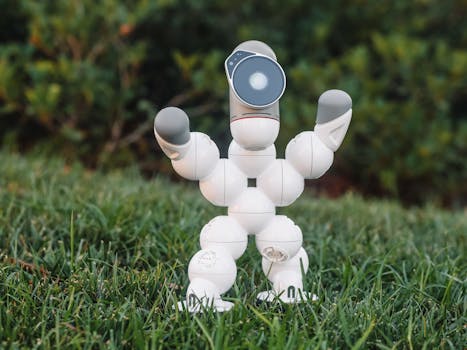
Artificial intelligence (AI) is rapidly reshaping the landscape of education, ushering in an era of innovation that extends far beyond the mere digitization of classrooms. The integration of AI into educational systems is not only introducing new learning methods but also redefining how knowledge is accessed, personalized, and delivered. As AI technologies evolve, they promise to make learning more engaging, equitable, and effective for students across the globe.
This article explores the transformative impact of AI on education, focusing on emerging learning methods that were unimaginable just a decade ago. From intelligent tutoring systems and adaptive content to real-time language translation and data-driven teaching strategies, AI is propelling the education sector into a future where learning is more dynamic and accessible than ever before.
The Rise of Adaptive Learning: Personalized Paths for Every Student
One of the most significant advancements brought about by AI in education is the concept of adaptive learning. Traditional classrooms typically rely on a one-size-fits-all approach, where every student follows the same curriculum at the same pace. This method often leaves behind students who need more support and fails to challenge those who are ahead.
.png)
AI-driven adaptive learning platforms, such as DreamBox, Knewton, and Smart Sparrow, use algorithms to analyze a student’s performance in real-time. These systems adjust content difficulty, pacing, and types of activities based on individual strengths and weaknesses. For example, a 2023 study found that students using adaptive learning tools improved their math scores by 23% compared to those in traditional settings.
Adaptive learning is particularly beneficial in large classrooms, where teachers struggle to provide personalized attention to every student. By leveraging data collected from quizzes, assignments, and interactions, AI can pinpoint gaps in understanding and suggest targeted interventions. This level of personalization was previously unattainable on a large scale.
AI-Powered Intelligent Tutoring Systems: A New Era of Support
Another groundbreaking development is the emergence of AI-powered intelligent tutoring systems (ITS). Unlike standard educational software, ITS can mimic the guidance of a human tutor by responding to student questions, offering hints, and providing feedback tailored to individual learning styles.
Platforms like Carnegie Learning’s MATHia and IBM’s Watson Tutor utilize natural language processing (NLP) to understand student queries and deliver explanations in conversational language. According to the U.S. Department of Education, ITS have shown to increase learning efficiency by up to 30% in STEM subjects compared to non-interactive digital resources.
These systems are particularly impactful for students in underserved communities who may lack access to quality tutoring. By offering 24/7 support, ITS bridge the gap between classroom learning and home study, ensuring that help is always available when students need it most.
Breaking Language Barriers with Real-Time AI Translation
In today’s globalized world, classrooms are increasingly diverse, with students from different linguistic backgrounds learning side by side. Language barriers can hinder participation and comprehension, making it difficult for non-native speakers to keep up.
AI is addressing this challenge through real-time translation technologies. Tools like Microsoft Translator and Google Translate now offer instant audio and text translation, allowing teachers to communicate instructions and lessons in students’ native languages. In 2022, the New York City Department of Education implemented AI translation in over 180 languages, benefitting more than 150,000 multilingual learners.
This capability fosters inclusivity and helps ensure that every student can access educational content, regardless of their language proficiency. Moreover, it supports collaborative learning and cultural exchange, making classrooms more vibrant and interactive.
Data-Driven Insights: Transforming Teaching Strategies
AI’s impact on education is not limited to students; it is also revolutionizing the way teachers approach instruction. With the help of AI analytics platforms, educators can gain valuable insights into student performance, engagement levels, and learning behaviors.
For instance, platforms like BrightBytes and Panorama Education aggregate and analyze data from various sources—including assessments, attendance, and digital interactions—to identify trends and at-risk students. Teachers can then use these insights to modify lesson plans, implement targeted interventions, and measure the effectiveness of teaching methods.
A 2021 survey revealed that 68% of teachers using AI analytics reported improved student outcomes and greater classroom efficiency. By enabling data-driven decision-making, AI empowers educators to focus their efforts where they matter most, ultimately improving the quality of education for all learners.
Gamification and Immersive Learning: Engaging Students with AI
Engagement is a critical factor in effective learning, and AI is playing a pivotal role in making educational experiences more interactive and enjoyable. Gamification—the integration of game elements into learning—has gained significant traction, with AI enhancing the personalization and adaptiveness of educational games.
AI-powered platforms like Duolingo and Kahoot! use adaptive algorithms to adjust challenges and rewards based on individual progress. This keeps students motivated and fosters a sense of achievement. In fact, a 2022 study found that gamified learning environments led to a 45% increase in student engagement compared to traditional methods.
Moreover, AI is facilitating the creation of immersive learning experiences through technologies like virtual and augmented reality. Platforms such as Labster allow students to conduct science experiments in virtual labs, while AI tracks progress and offers real-time feedback. These immersive environments make abstract concepts tangible, catering to different learning styles and increasing knowledge retention.
Comparing Traditional and AI-Enhanced Learning Methods
To better understand the impact of AI on education, it’s useful to compare traditional and AI-enhanced learning methods across several key dimensions:
| Aspect | Traditional Learning | AI-Enhanced Learning |
|---|---|---|
| Personalization | Limited; one-size-fits-all | Highly personalized; adapts to individual needs |
| Feedback | Delayed; dependent on teacher availability | Immediate; available 24/7 via AI tutors |
| Language Support | Manual translation or external resources | Real-time AI translation in multiple languages |
| Data Utilization | Minimal; mostly test scores | Comprehensive analytics on student behavior |
| Engagement | Passive; lecture-based | Interactive; gamified and immersive |
| Accessibility | Dependent on teacher/student ratio | Accessible to all, including remote learners |
This comparison highlights the transformative potential of AI in making education more responsive, inclusive, and effective. With AI, learning is no longer confined to traditional boundaries—students can access resources tailored to their unique needs, anytime and anywhere.
Emerging Challenges and Ethical Considerations
While the benefits of AI in education are substantial, the rapid adoption of new technologies also raises important challenges and ethical questions. Data privacy is a primary concern, as AI systems require access to large amounts of student information to function effectively. Ensuring that this data is stored and used responsibly is crucial to maintaining trust and safeguarding student rights.
Bias in AI algorithms is another critical issue. If not carefully designed and tested, AI systems can inadvertently reinforce existing inequalities by favoring certain groups over others. Ongoing research and transparent development practices are essential to mitigate bias and ensure that AI benefits all students equally.
Finally, there is the question of teacher roles in an AI-driven classroom. While AI can automate routine tasks and provide personalized support, human educators remain indispensable for fostering critical thinking, creativity, and emotional intelligence. The future of education lies in a harmonious partnership between AI technologies and skilled teachers.
Looking Ahead: The Future of AI-Driven Learning
The integration of AI into the education sector is still in its early stages, but the pace of innovation is accelerating. According to HolonIQ, global investment in AI education startups reached $1.8 billion in 2023, signaling strong confidence in the sector’s growth potential.
Looking forward, we can expect AI to further expand its role by enabling lifelong learning, supporting special needs education, and bridging gaps in rural or underserved communities. As AI becomes more sophisticated, it will unlock new possibilities for collaborative and project-based learning, equipping students with the skills they need for an ever-changing world.
Ultimately, the future of education will be shaped by our ability to harness AI’s potential while addressing its challenges responsibly. By embracing new learning methods powered by AI, we can create a more equitable, engaging, and effective educational experience for learners everywhere.