As society continues to embrace the fast-evolving capabilities of artificial intelligence, the potential to alleviate stress in our daily lives increasingly comes into focus. AI, with its vast applications, promises to simplify complex tasks, tailor personal health strategies, and enhance workplace harmony, thereby potentially reducing the stress that often accompanies modern living.
Automation and Time Management
One of the most immediate benefits of AI is its ability to automate routine and time-consuming tasks. Digital assistants, such as Google Assistant, Siri, and Alexa, are prime examples of AI systems that manage day-to-day chores efficiently. By automating tasks like scheduling meetings, sorting emails, and even controlling home appliances, AI helps reclaim time that can be reinvested in more fulfilling or relaxing activities, thus reducing stress.
.png)
Personalized Health Insights
AI's ability to analyze large datasets can be leveraged to offer personalized health advice, which is crucial for managing stress effectively. Wearable technology that monitors physiological data—such as activity levels, sleep patterns, and heart rate—can use AI to provide tailored suggestions for stress management techniques. Apps that suggest personalized meditation or exercise plans based on user behavior and feedback are becoming increasingly popular, making mental health care more accessible and effective.
Enhancing Mental Health Understanding
AI’s analytical capabilities also extend to enhancing our understanding of mental health on a broader scale. By processing data from healthcare records, social media usage, and other digital footprints, AI can help medical professionals identify stress and anxiety trends across different demographics. This insight can drive better-targeted public health initiatives and improve mental health resources, contributing to a less stressed society.
Workplace Optimization
In the professional realm, AI tools are revolutionizing the way work is managed. AI-driven project management tools can predict deadlines more accurately, allocate resources more efficiently, and even foresee potential challenges before they arise. This level of optimization can alleviate the common workplace stressors related to deadlines and workload, creating a more balanced and manageable work environment.
Fostering Social Connections
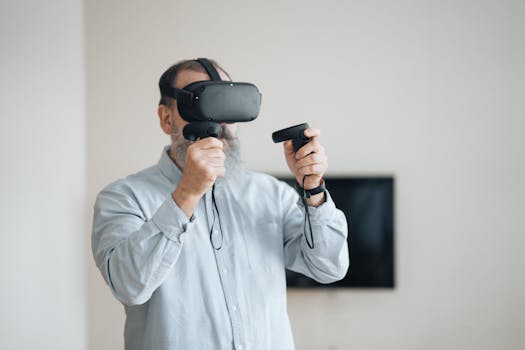
AI can also play a pivotal role in mitigating stress by enhancing social connectivity. Platforms that use AI to suggest friends, groups, or communities based on interests can help reduce feelings of isolation and build supportive networks. Additionally, advancements in AI-powered virtual reality can simulate social interactions that might be hard to achieve in person, offering comfort and companionship to those who may be physically isolated.
A Balanced Approach to AI
While the benefits of AI in stress reduction are substantial, it is important to maintain a balanced approach. Overdependence on AI could lead to a detachment from human interaction and may even introduce new stressors. Therefore, it is vital to use AI as a complementary tool rather than a complete substitute for traditional human experiences and interactions.
Conclusion
AI presents a significant opportunity to reduce stress in various aspects of life by simplifying tasks, personalizing healthcare, optimizing workplaces, and enhancing social relationships. As we continue to innovate and integrate AI into our daily routines, it is crucial to focus on developing AI solutions that are ethical, responsible, and beneficial for mental health and well-being. By doing so, AI will not only improve individual lives but also contribute to a healthier, more productive society overall.