Artificial intelligence (AI) is rapidly transforming the health and fitness industry, offering tools and insights that personalize and enhance user experiences. This technology is not just reshaping our workout routines but also revolutionizing our understanding and management of overall wellness. AI-driven innovations range from customized exercise plans to sophisticated health monitoring systems, simplifying the journey towards achieving fitness and health objectives.
Personalization of Workout Plans
One of the standout applications of AI in fitness is the customization of exercise routines. AI-powered apps and devices analyze individual fitness levels, health histories, and personal goals to craft tailored workout plans. This customization ensures that users, whether beginners or seasoned athletes, receive optimized workout plans that maximize results while minimizing injury risks.
.png)
Enhanced Fitness Tracking
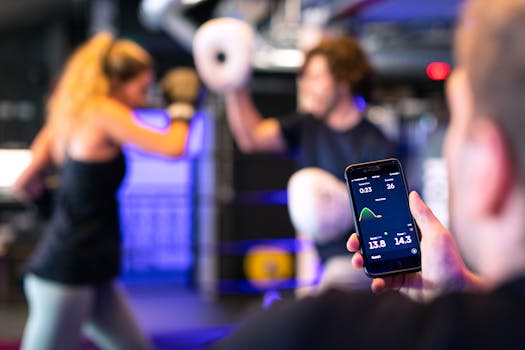
AI enhances fitness tracking through wearable technology like smartwatches and fitness bands. These devices employ AI to monitor real-time data such as heart rate and calories burned, enabling users to adjust their workout intensity accordingly. This instant feedback helps maintain training within optimal heart rate zones. Additionally, associated apps offer detailed analytics on performance over time, aiding users in tracking progress and staying motivated.
Advanced Health Monitoring
In health monitoring, AI's role is increasingly crucial. Sophisticated AI systems predict potential health issues by analyzing patterns in health data. For instance, AI can identify risks for cardiovascular issues or sleep disorders by examining activity levels, sleep patterns, and heart rate, encouraging early medical intervention.
AI in Nutrition
AI also significantly impacts nutrition management. AI-driven apps recommend personalized meal plans based on individual dietary preferences, nutritional needs, and fitness goals. These apps track food intake and provide nutritional advice, ensuring a balanced diet. Integration with fitness devices allows these apps to adjust meal plans according to daily activity levels, optimizing calorie and nutrient intake to support physical activities.
Rehabilitation and Recovery
AI contributes to rehabilitation and recovery by powering physical therapy tools and apps. These applications guide users through recovery exercises, adjusting difficulty and range based on user progress. This not only accelerates the recovery process but also enhances its effectiveness by ensuring exercises are performed correctly.
Mental Health Support
The integration of AI extends to mental health, where AI-powered apps employ cognitive behavioral therapy (CBT) techniques to offer personalized strategies for managing stress, anxiety, and depression. Features like mood tracking, guided meditation, and interactive exercises help users manage mental health alongside physical wellness.
Conclusion
AI is fundamentally transforming the health and fitness industry by delivering personalized, data-driven insights and solutions. This technology enhances our ability to maintain and improve health and fitness levels through innovative applications in workout customization, health monitoring, nutrition, rehabilitation, and mental health. As AI technology evolves, we can anticipate even more groundbreaking tools that further empower our health and fitness pursuits, making healthier living more accessible to all.